
What is a VPN and why do you need one?
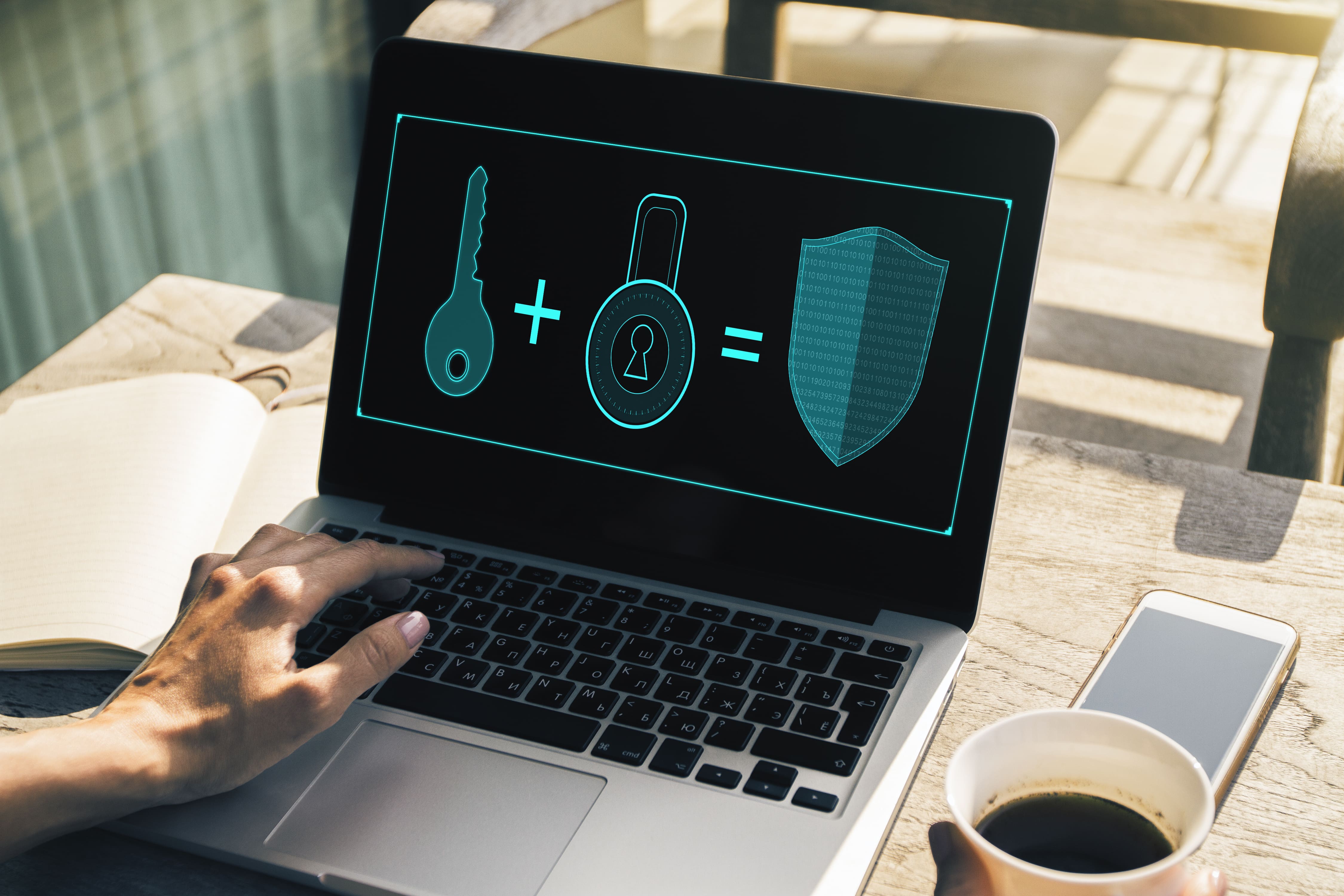
You have probably seen VPN advertised everywhere — on YouTube, on podcasts, even on billboards. But what does a VPN actually do, and is it worth your money? This guide breaks it down in plain language.
VPN in 30 seconds
A VPN — Virtual Private Network — creates an encrypted tunnel between your device and a server operated by the VPN provider. All your internet traffic passes through this tunnel before reaching the open internet. The result: your real IP address is hidden, your data is encrypted, and your online activity becomes much harder to monitor.
What a VPN protects you from
ISP tracking
Without a VPN, your internet service provider can see every website you visit. In many countries, ISPs are legally allowed to collect and sell this browsing data to advertisers. A VPN makes your traffic unreadable to your ISP.
Public Wi-Fi snooping
Coffee shops, airports, and hotels offer convenient Wi-Fi, but these networks are rarely secure. Anyone on the same network can potentially intercept your data. A VPN encrypts everything, making it useless to eavesdroppers.
Geographic restrictions
Many streaming services, news websites, and online stores restrict content based on your location. By connecting to a VPN server in another country, you can access content as if you were physically there.
Targeted advertising
Advertisers use your IP address to build a profile of your interests and location. A VPN replaces your IP with the server's IP, making it significantly harder to track you across websites.
Common misconceptions
"A VPN makes me completely anonymous"
Not quite. A VPN hides your IP address and encrypts your traffic, but it does not prevent tracking through cookies, browser fingerprinting, or accounts you are logged into. It is one layer of privacy, not a cloak of invisibility.
"VPNs are only for tech-savvy people"
Modern VPN apps are designed for everyone. You download the app, tap connect, and you are protected. There is no configuration, no technical knowledge required.
"Free VPNs are just as good"
Free VPNs have to make money somehow. Many do it by logging your data and selling it — the exact thing you are trying to avoid. Others impose severe speed limits, data caps, or serve ads. A reputable paid VPN is a far better investment.
Who should use a VPN?
- Anyone who uses public Wi-Fi regularly
- Streamers who want access to global content libraries
- Remote workers handling sensitive company data
- Travellers who want to access home services while abroad
- Anyone who values their online privacy
The bottom line
A VPN is one of the simplest and most effective tools for protecting your privacy online. It will not solve every security problem, but combined with antivirus software and an ad blocker, it forms the backbone of a solid personal security setup.